Self-service terminal adapted for people with disabilities
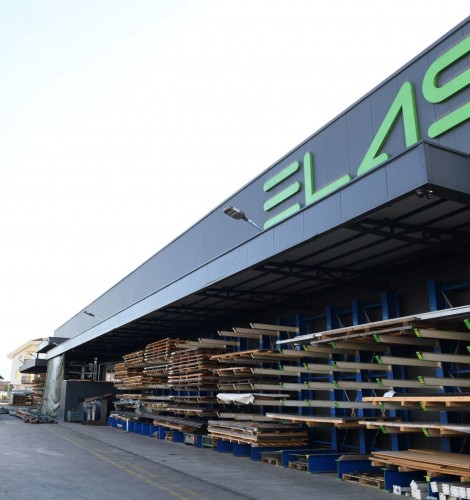
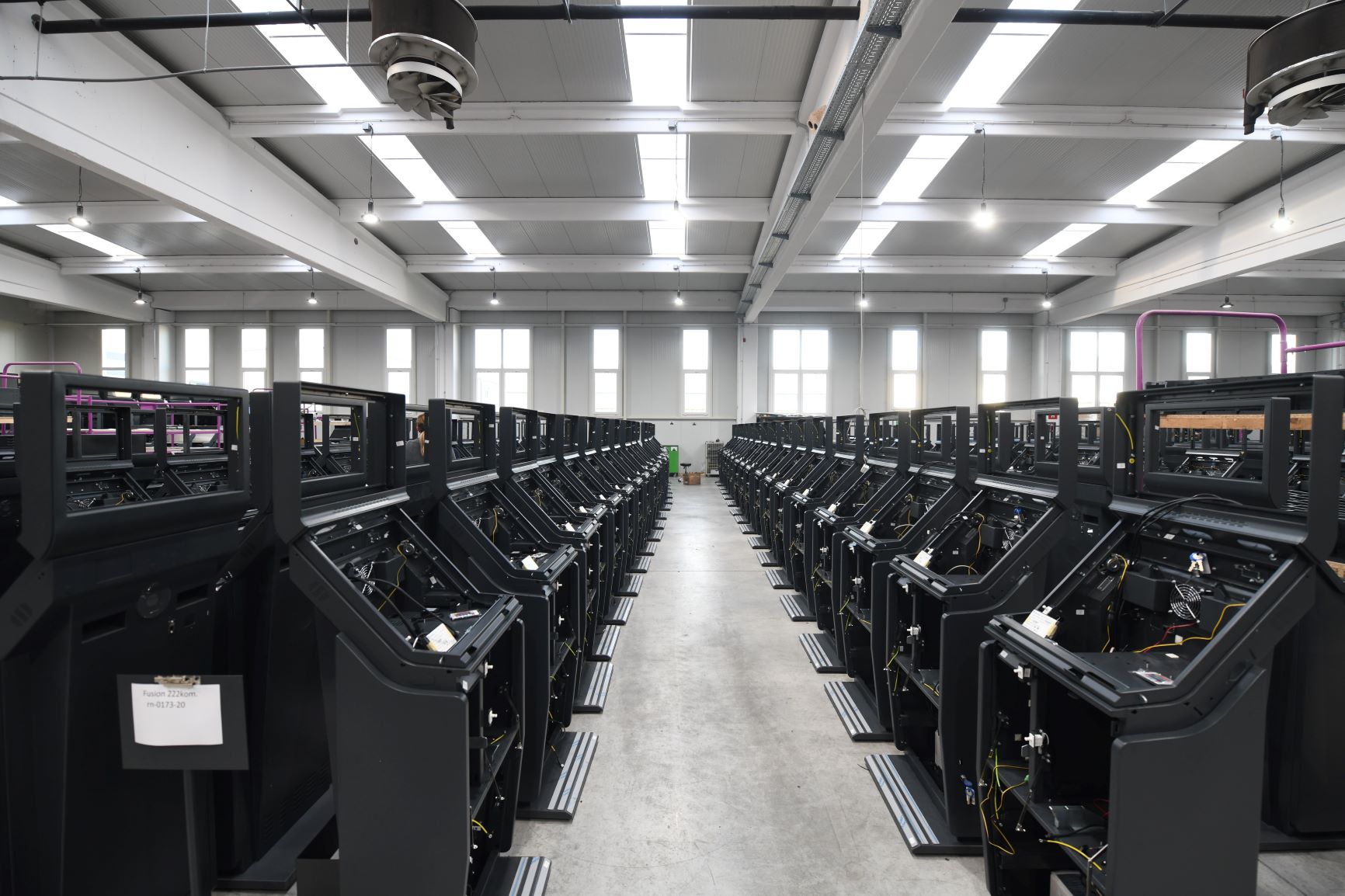
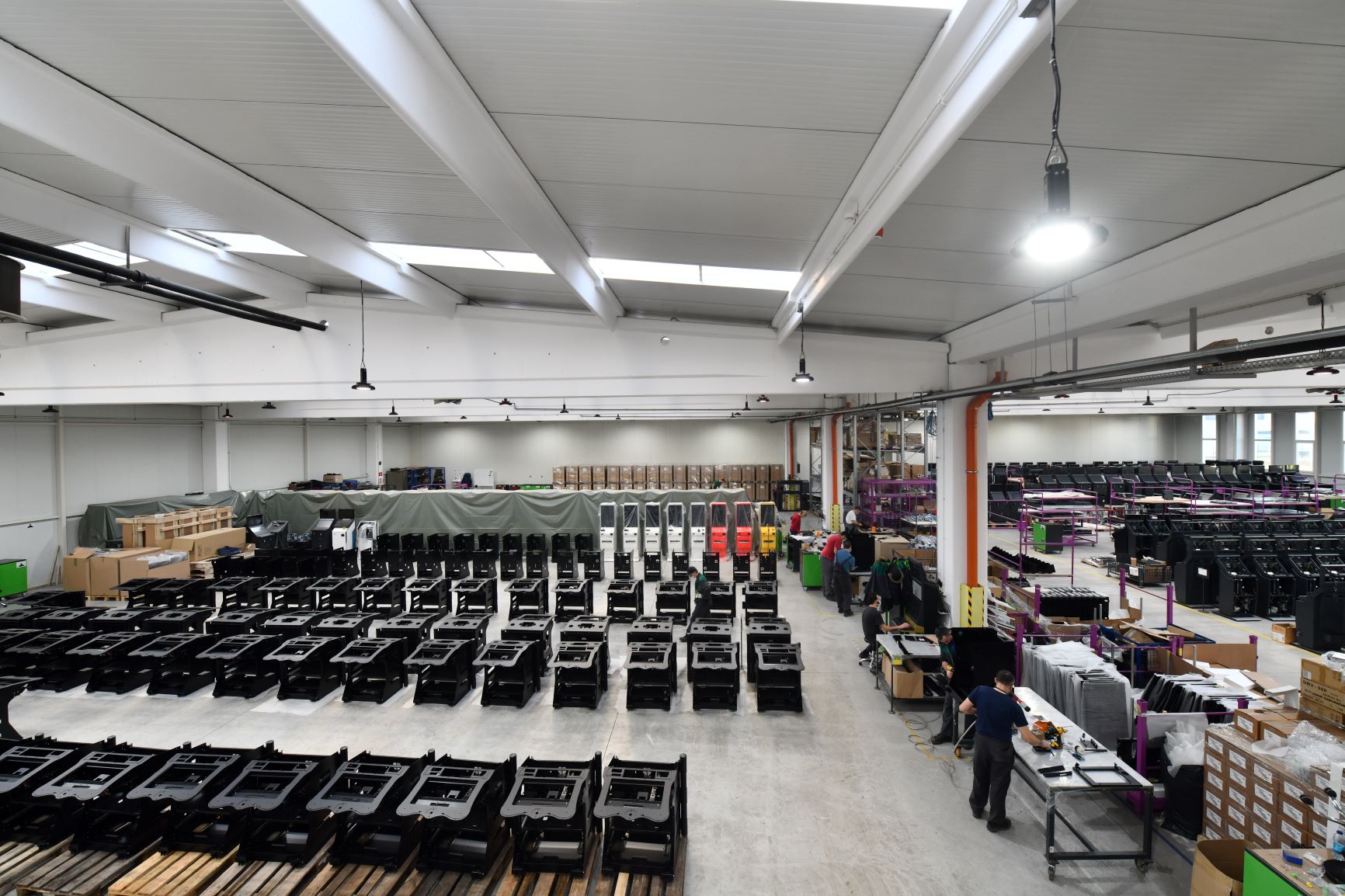
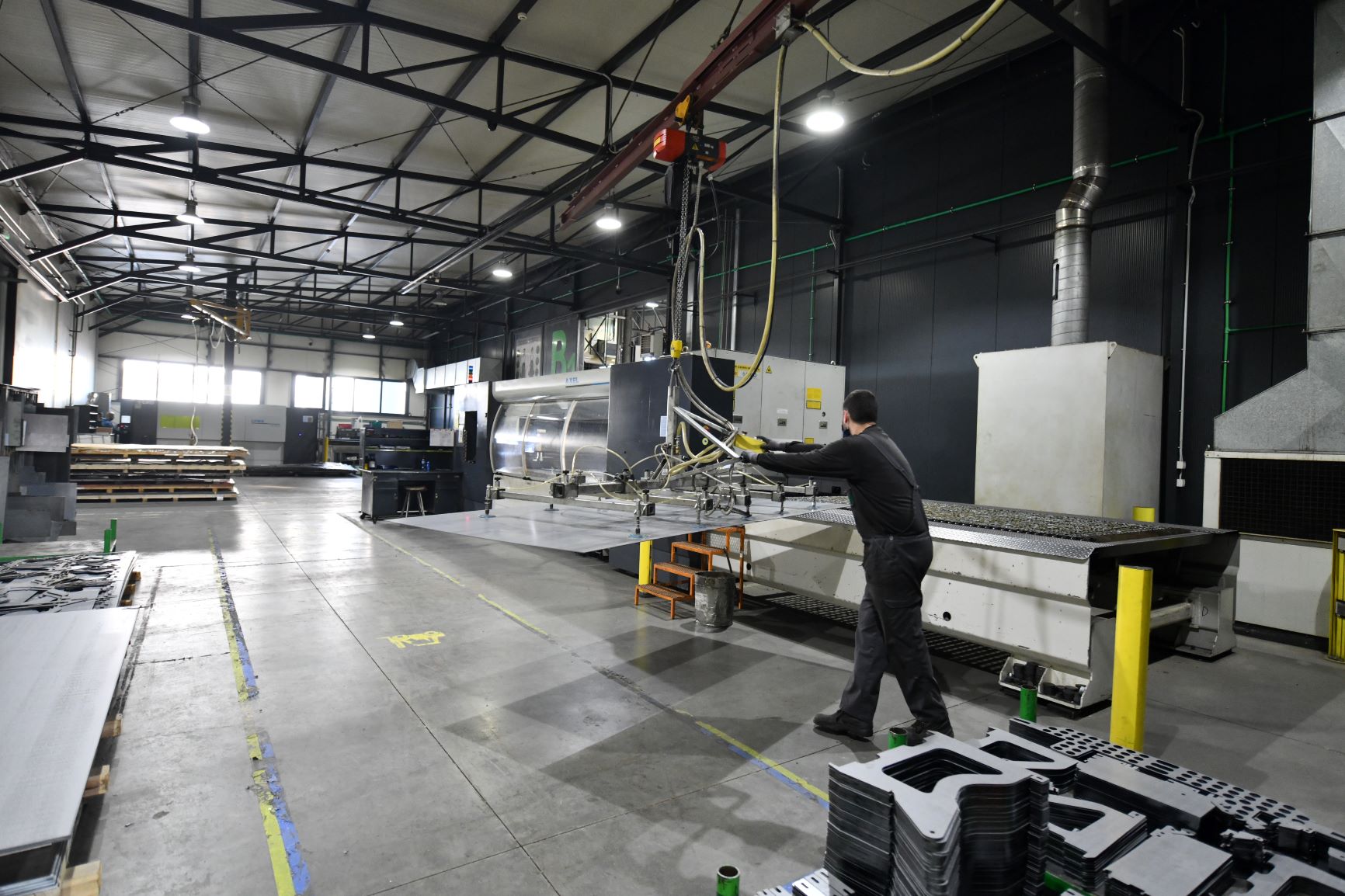
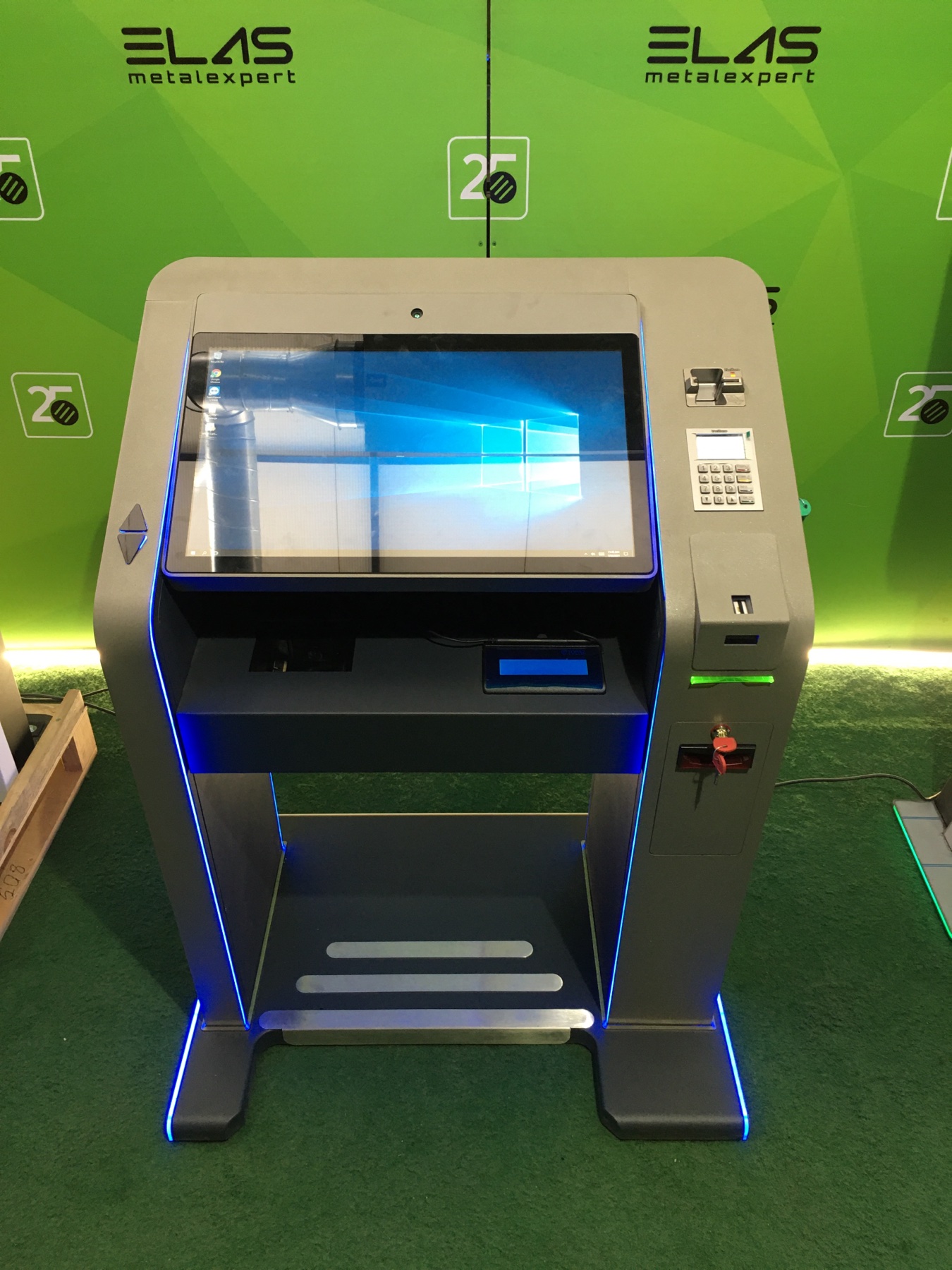
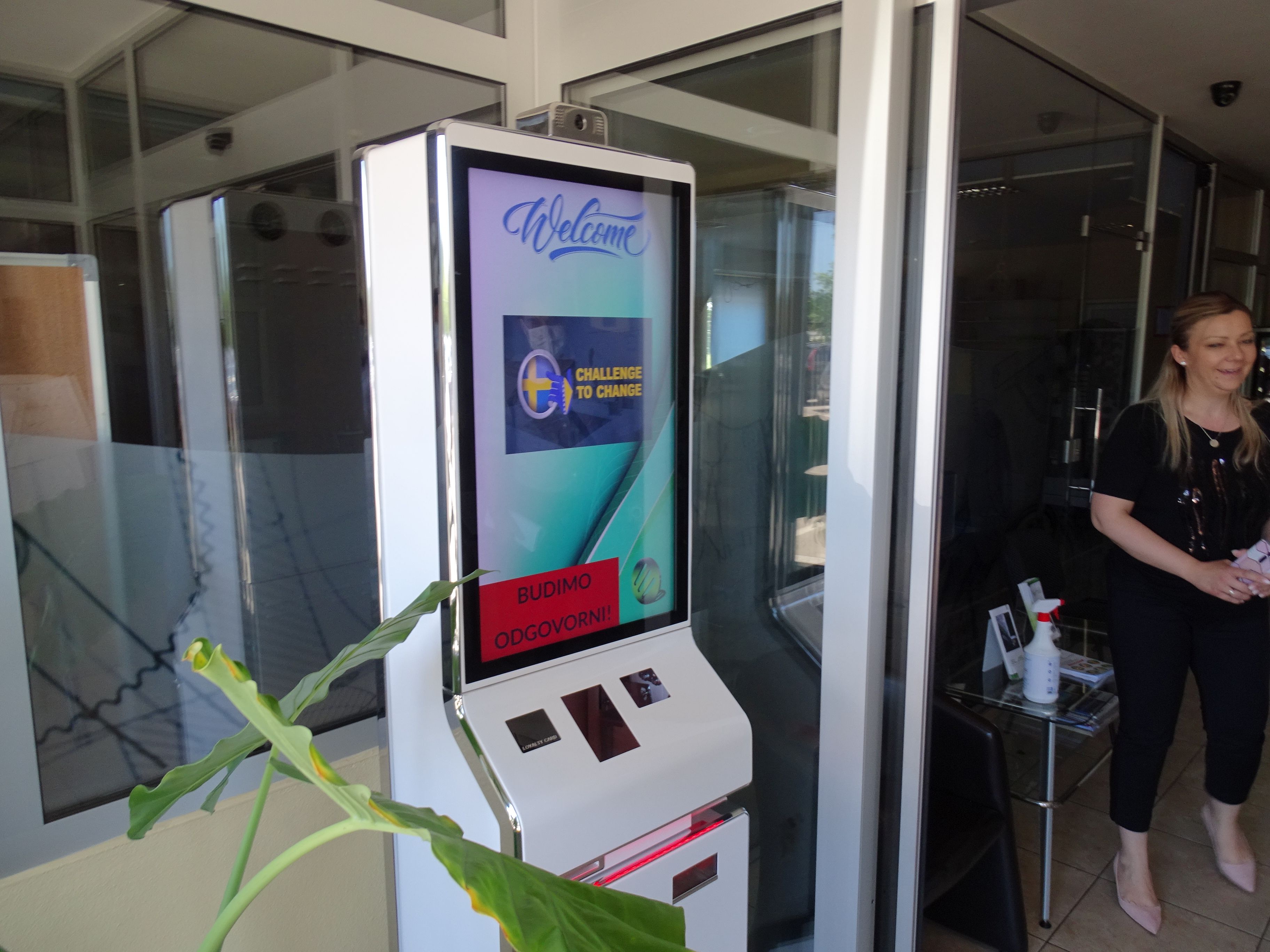
With the support of the C2C fund, they have produced an innovative self-service terminal Explorer that is adapted to people with disablities. The terminal has many options such as electronic payment, card payment, info terminal, internet hotspot and it can be installed inside any indoor room with room temperature, at the airports, in shopping malls, etc.
The total value of this project is 111.145,95 BAM. The company has invested 55% of the project value, and the remaining 45% is a grant from the C2C fund.
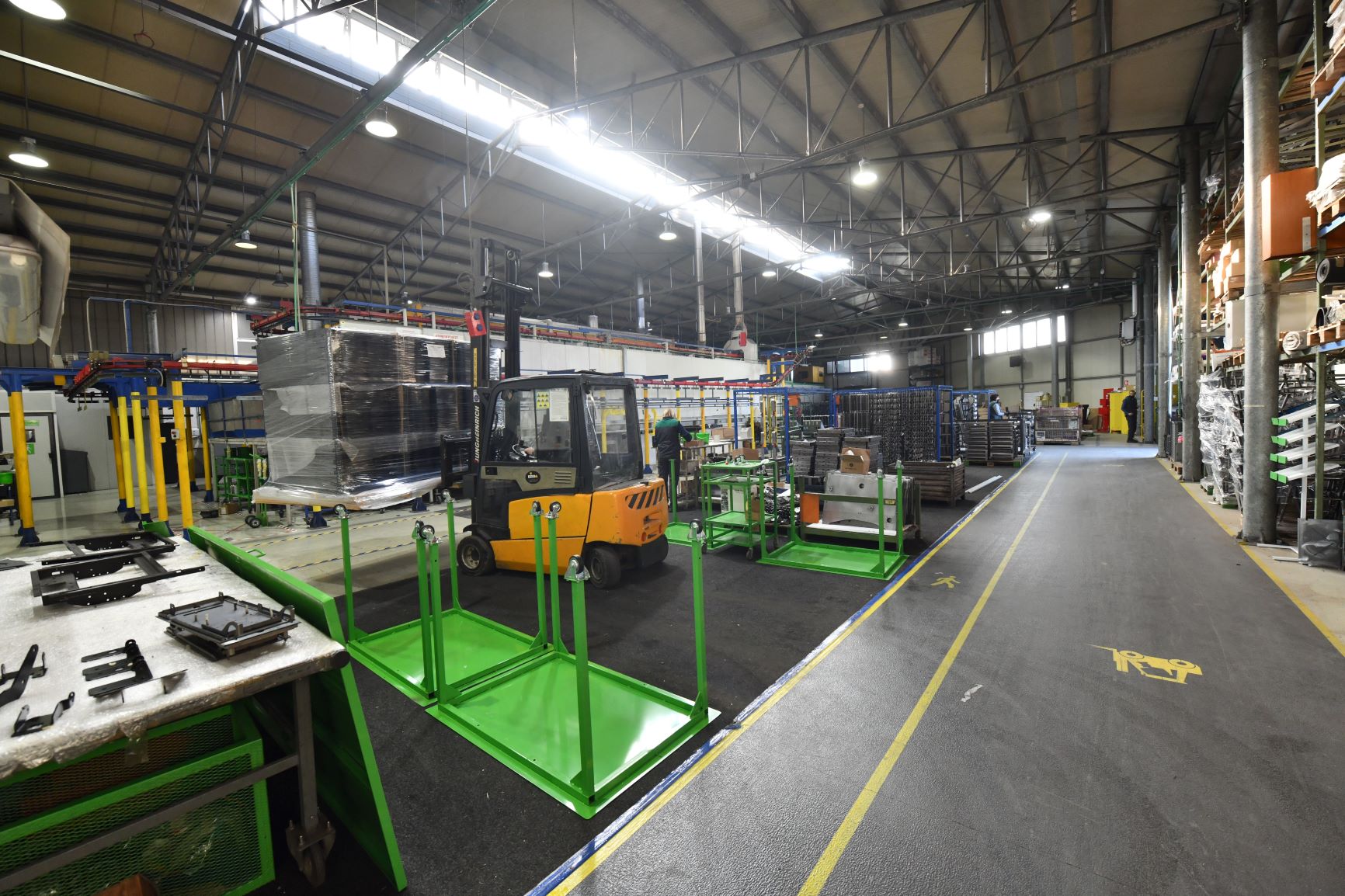
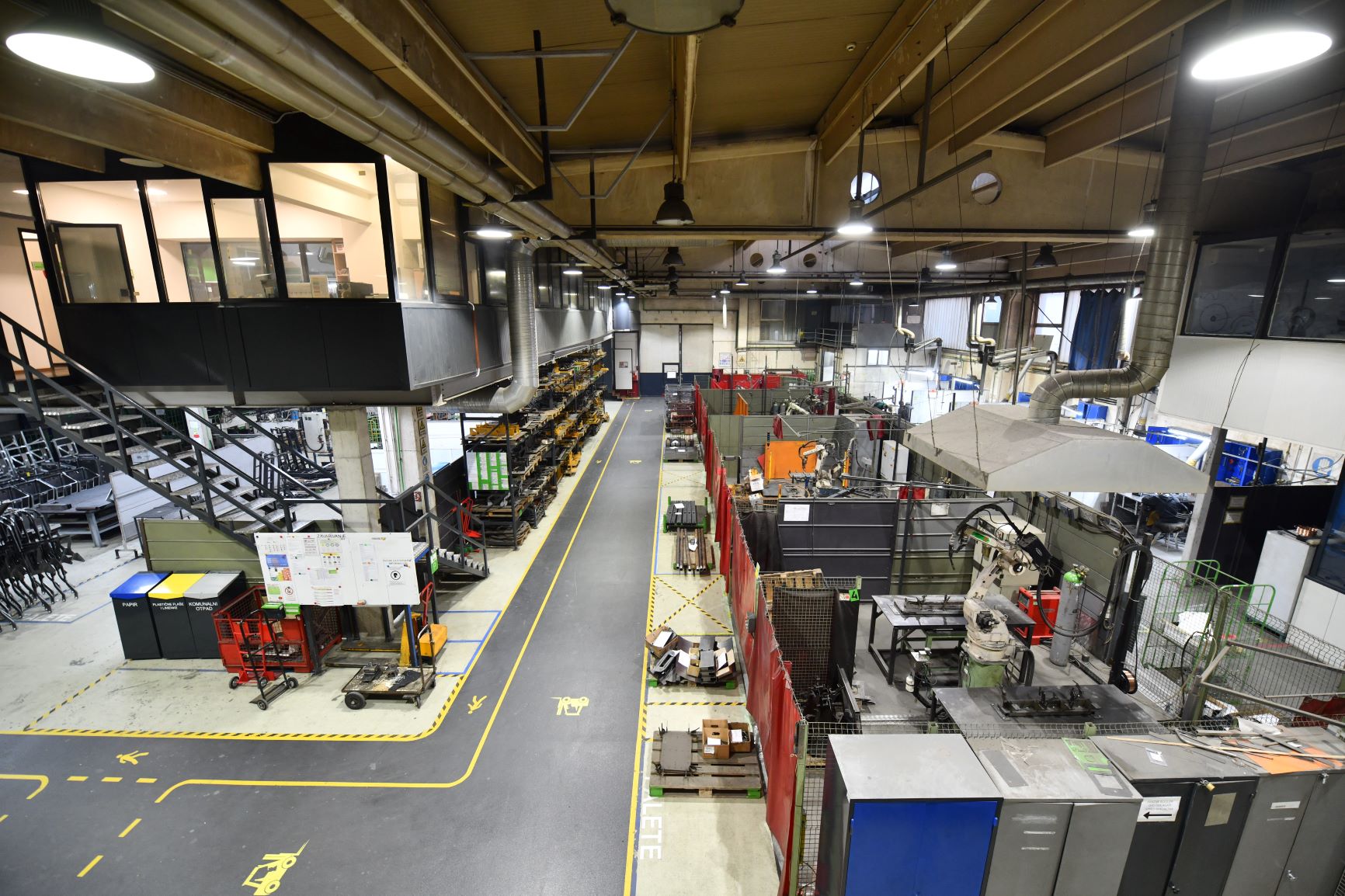
"Explorer is a patent and one of the most complex devices of our company, which significantly contributes to the construction of the Elas brand. Also, the product is economically viable, given that it is designed using the latest production technologies, and ensures maximum utilization of materials and operating capacity. In addition to the fact that the device is adapted to people with disablities, the installation process is very simple and it takes place in several stages. That means that it is necessary to hire new employees, and our company's commitment is for them to be women, which has a positive impact on gender equality," they say in "Elas".
In the end, they point out that the support of the C2C fund was extremely important because the production of prototypes involves big financial investments and the engagement of significant human and production resources.


